Important Aspects in Boiler Services: What Every Homeowner Should Know
Grasping the essential inclusions in boiler services is critical for homeowners. Routine servicing serves a vital role in preserving safety and efficiency. A comprehensive inspection can uncover prospective issues that may arise if overlooked. Being aware of what to expect from a service can help homeowners make educated decisions. However, many are unaware of the specific components that should be included. This knowledge could be the key to stopping expensive repairs or hazardous situations.
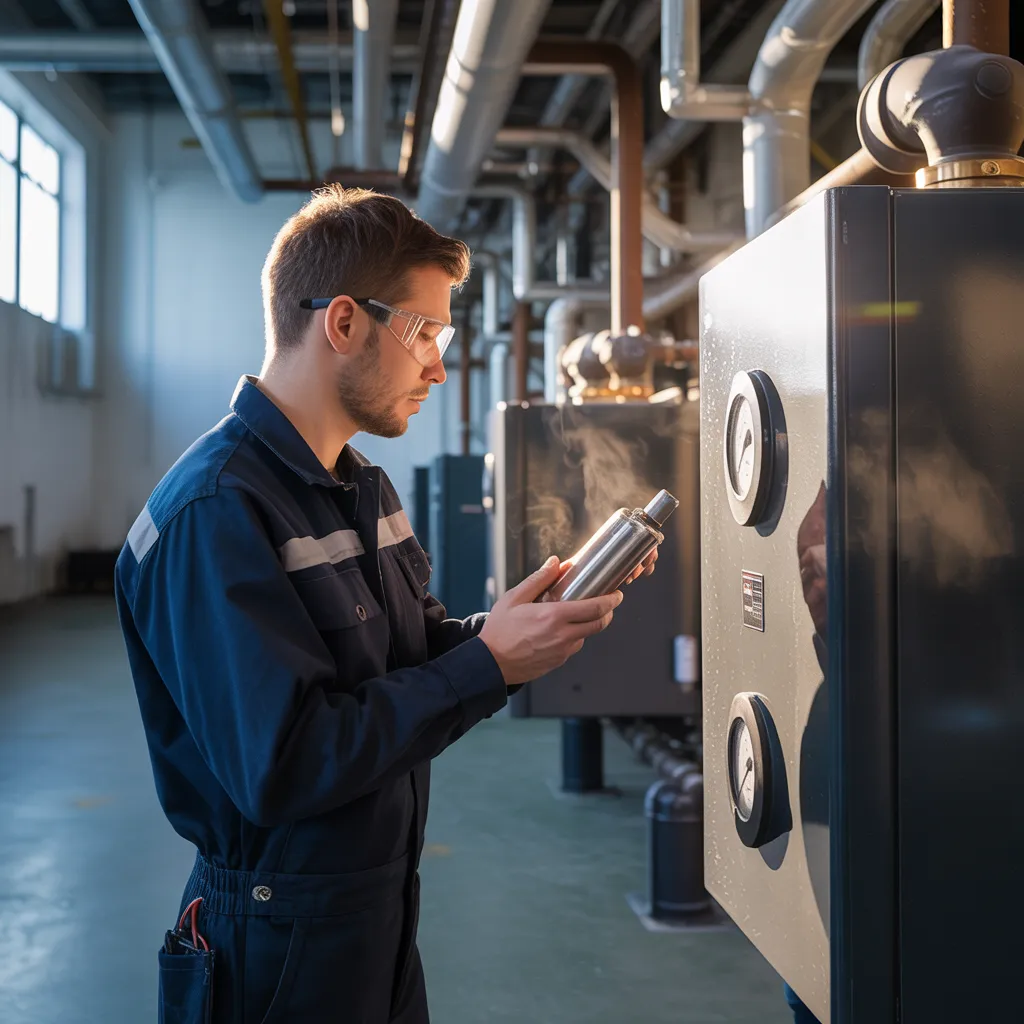
What Makes Regular Boiler Servicing So Important?
Why is regular boiler servicing important? For homeowners, looking after a boiler is crucial for maintaining safety and efficiency. Regular servicing helps identify potential issues before they develop into expensive repairs or dangerous malfunctions. A well-maintained boiler runs more effectively, resulting in decreased energy bills and a smaller environmental footprint.
Moreover, regular check-ups can increase the life expectancy of the appliance, enabling homeowners to optimize their investment. Overlooking boiler maintenance can lead to breakdowns, which commonly occur at the most unsuitable times, leaving families vulnerable to cold temperatures.
In addition, routine servicing delivers compliance with safety requirements, significantly reducing the risk of carbon monoxide leaks, a silent yet deadly threat. Homeowners who prioritize boiler servicing not only safeguard their homes but also improve the overall comfort and well-being of their families. Eventually, investing in regular maintenance leads to peace of mind and long-term savings.
What Can You Anticipate From a Complete Boiler Service?
What can homeowners expect from an extensive boiler service? A complete boiler service commonly involves a detailed inspection and assessment of the unit, ensuring it functions both efficiently and safely. Technicians will check the burner and combustion performance, thoroughly clean elements, and inspect various safety devices. They will also check the boiler's water levels, pressure, and temperature settings to ensure ideal operation.
Additionally, technicians will look for signs of wear or potential future complications, such as leaks or corrosion, giving homeowners with valuable insights into the longevity of their equipment. After the inspection, a detailed report outlining any necessary repairs or maintenance recommendations is usually provided. Homeowners can also expect exchanges regarding energy efficiency improvements, helping to lower utility costs. All in all, a thorough service works to enhance performance, safety, and efficiency while extending the boiler's lifespan.
Selecting a Certified Boiler Service Technician
Choosing a certified boiler service technician is essential for maintaining reliable maintenance and repairs. Homeowners should confirm the technician's credentials and experience to confirm they possess the essential skills. Furthermore, assessing the range of services offered can assist in choosing a technician who meets particular needs.
Verify Credentials And Experience
When home residents search for a qualified boiler service technician, validating credentials and experience is critical to guarantee safety and efficiency. Technicians should possess appropriate certifications, such as those from the relevant safety and regulatory bodies, proving their proficiency in boiler systems. Additionally, experience is vitally important; technicians with years of hands-on practice are better qualified to handle a variety of issues that may emerge. Homeowners should question regarding specific training related to their boiler type, as not all systems are the same. Examining references and online reviews can give insights into a technician's reliability and quality of service. Finally, ensuring that a technician is properly credentialed and experienced secures the homeowner's investment and promotes peak boiler performance.
Examine Service Offerings Carefully
To maintain maximum performance and safety, homeowners should carefully assess the service offerings of potential boiler service technicians. It is vital to assess whether technicians provide complete services, including installation, routine maintenance, and emergency repairs. Additionally, homeowners should inquire about the use of quality parts and the availability of warranties on service work. A thorough understanding of the technician's approach to preventive maintenance is also important, as it can extend the longevity of the boiler and enhance efficiency. Homeowners should request references or reviews from previous clients to gauge customer satisfaction and reliability. By assessing these aspects, homeowners can make informed decisions, ensuring their boiler is serviced by a qualified professional who satisfies their specific needs.
Signs Your Boiler Demands Prompt Attention
Homeowners should be aware of crucial signs showing that their boiler needs immediate attention. Odd noises, erratic heating, and warning lights on the display can all signal potential issues that require prompt resolution. Tackling these concerns promptly can avert further damage and guarantee the system operates efficiently.
Strange Sounds Coming From Your Boiler
What could those unusual sounds coming from a boiler signify? Uncommon sounds, like banging, clanging, or whistling, may indicate hidden problems that need prompt attention. A banging noise may suggest a condition known as "water hammer," where trapped air or steam causes violent pressure changes. Clanging might indicate loose components or sediment buildup that disrupts heating efficiency. Whistling sounds could stem from pressure fluctuations or obstructions in the system. These noises often point to potential system failures or inefficiencies, which, if left unaddressed, could lead to more significant problems. Homeowners must not overlook these acoustic warnings; professional inspection and upkeep can help confirm the boiler runs safely and properly, preventing pricey repairs in the future.
Uneven Heating Across Your Home
How can a homeowner tell if their boiler is struggling to provide consistent warmth? A primary symptom is the development of varying temperatures in separate rooms. see information on this To illustrate, particular rooms may feel significantly cooler, while different areas remain too warm. This irregularity frequently suggests that the boiler cannot properly distribute hot water or air across the property. In addition, residents may identify drafts or frigid spots, particularly around windows and doors, aggravating the heating difficulty. An additional sign is when the boiler repeatedly turns on and off without achieving the target temperature. These symptoms should prompt immediate attention, as they may signal underlying problems that, if left unaddressed, could lead to more significant heating failures or increased energy costs.
Warning Indicators on Display
Erratic heating may often come with warning lights appearing on the boiler's display. These indicators act as vital alerts for homeowners, signaling potential issues that call for immediate attention. Common warning lights include symbols for low water pressure, overheating, or system faults. When these lights appear, it is essential to respond promptly, as overlooking them may cause more severe problems or complete boiler failure. Homeowners should consult the boiler's manual to interpret the specific warnings correctly. In many cases, resetting the system may address minor faults; however, persistent warnings call for professional inspection and repair. Making sure that warning lights are dealt with promptly can enhance the boiler's longevity and maintain a safe, comfortable home environment.
What Takes Place During a Boiler Service Appointment?
Throughout a boiler service visit, a certified technician conducts a comprehensive inspection to confirm the system functions efficiently and safely. The process begins with a visual examination of the boiler and its components, including pipes and valves, to detect any signs of wear or leaks. The technician then assesses the pressure levels and tests the safety devices, making sure they function as intended.
Next, they cleanse essential components, such as the burners and heat exchanger, to clear away any buildup that could obstruct performance. The technician may also check the flue and ventilation systems for blockages. Following these inspections, they may evaluate the water quality and adjust the pressure settings if needed. In conclusion, a thorough report is generated, documenting the findings and any recommendations for repairs or improvements. This thorough approach helps ensure the boiler remains in peak working condition and increases its lifespan, providing peace of mind for the homeowner.
Essential Tips for Preserving Your Boiler During the Time Between Services
Though regular professional servicing is crucial for a boiler's longevity, homeowners can take several practical steps to keep up their system between appointments. To begin, they should consistently check the pressure gauge; ideally, it should be between 1 and 1.5 bar. If the pressure falls below this level, homeowners can add water to the system. In addition, bleeding radiators every few months can help get rid of trapped air, providing even heat distribution. It is also advisable to inspect the boiler for any unusual noises or leaks, as these may indicate underlying issues that require attention. Homeowners should keep the area around the boiler clear of debris and ensure proper ventilation. Lastly, regularly checking the thermostat settings and confirming they are functioning correctly can optimize energy efficiency. By following these steps, homeowners can help keep their boiler running efficiently until the next professional service.
Common Questions
How Frequently Should Boiler Servicing Be Scheduled?
Boiler servicing should be scheduled at least one time per year to maintain maximum performance and safety. Regular maintenance helps identify potential issues early, increasing the boiler's lifespan and preserving energy efficiency for the household.
Is It Possible to Do Any Boiler Maintenance on My Own?
Homeowners can perform basic maintenance tasks, such as checking pressure and bleeding radiators. Nonetheless, for optimal safety and efficiency, we advise you to leave complex servicing and repairs to accredited technicians to avoid possible dangers.
How Much Does Boiler Servicing Cost?
The costs associated with boiler servicing usually range from $100 to $300, varying with different factors such as location, service provider, and the complexity of the boiler system, impacting overall maintenance costs for homeowners.
Do Warranties Come with Boiler Service Work?
Many boiler service providers do offer warranties on their work, typically covering labor and parts for a set period. Homeowners ought to ask about specific terms and conditions when scheduling their boiler service appointment.
How Can I Locate Reviews for a Boiler Service Technician?
To discover reviews for a boiler service technician, one can check online platforms such as Yelp, Google Reviews, or Angie's List. Furthermore, seeking recommendations from relatives and friends can provide beneficial insights into reliable technicians.